









OPINII » EDITORIAL
Alte știri din fotbal

Universitatea Craiova a aflat cât costă Nikita Stoinov! Dinamo a anunțat clauza de reziliere
0
Măldărășanu a rostit numele echipei din Superliga pe care n-ar antrena-o niciodată: „Nu se pune problema”
1

Dinamo va ceda patru jucători la aceeași echipă!
1

S-a aflat de ce nu joacă Matteo Duțu pentru Dinamo: „A tratat lejer concurența”
1
Știri din fotbal internațional
Darius Olaru a primit cea mai mică notă dintre toți titularii belgienilor, în thrillerul Saint-Gilloise - Bodo/Glimt 3-3
0
6 goluri în Royale Union SG - Bodo/Glimt » Darius Olaru, decisiv!
9

Fluier final în primele 8 partide din turul 3 preliminar de Liga Campionilor » Surpriză uriașă la Praga, Darius Olaru a fost protagonist, Craiova a stat cu ochii pe un rezultat
2

Auda a bătut pe Dinamo! Letonii care au „terorizat” FCSB mai fac o victimă în Europa
4
Lifestyle

BYD atacă segmentul de lux: chinezii lansează o limuzină care să rivalizeze cu Mercedes și BMW
0
Omul din umbră din echipa „Zeiței de la Montreal”: „Nota 10? Meritul Nadiei 80%. Eu – 1%!” + De ce nu vorbește Comăneci despre barbariile lui Karolyi
9

Cum s-au relaxat Ștefan Baiaram și soția Cristina, după victoria 4-0 cu Petrolul
4
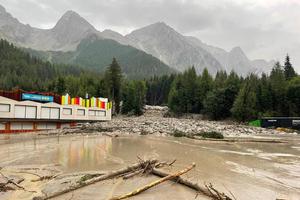
Stadionul olimpic, lovit de inundații devastatoare lângă granița cu Austria » Sportivii au scăpat la limită de o tragedie
0
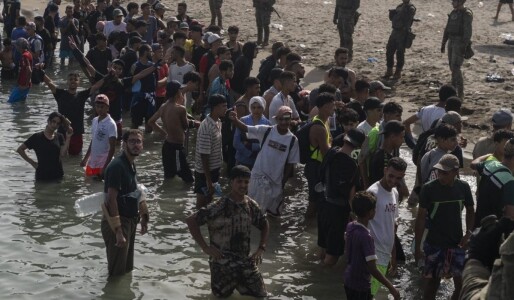
Contre la Bruxelles după criza din Ceuta: planul Spaniei de a legaliza ...
Libertatea
„Vrem în România sau în Rusia”. Migranții ajunși ilegal în Ceuta spun că ...
Adevărul
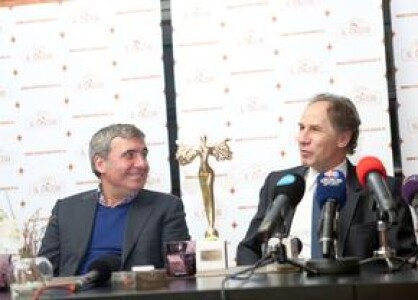
Ce mesaj a transmis Gică Hagi la dispariția lui Franco Baresi: „Unele ...
GSP SPECIAL
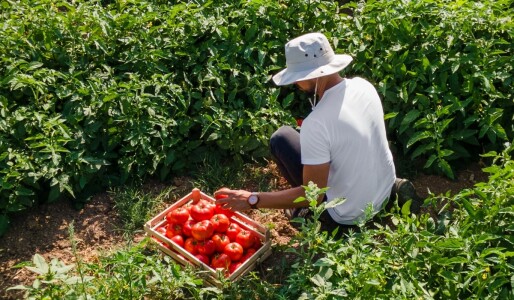
Moartea unui român de 19 ani la cules de roșii, pe o căldură de 40 de ...
Libertatea

Dac-am ajuns sa-i dedicam ode și lui Kissinger...Numai ca-i placea și soccer-ul...
Every morning, in fact, a group of schoolboys en route to class who had seen me when I first arrived would walk by my hotel in central Hanoi at the same hour—I made a point of being outside then—and cheerfully say ‘Good morning, sir!” in English to me. But I was always aware that I was in enemy territory. The schoolboys and other anecdotes prompted Kissinger to summon a prominent former ambassador who was his senior aide for matters related to the war and say to him, in front of me, in obvious mock anger: “This fellow is giving me more information about the morale in the North than I get from the CIA.” I remember thinking “Is this it? Is this all he’s got? Does the guy really think this kind of obvious flattery is going to win me over?” Over the next few years Kissinger continued to take my calls, with the proviso that all of our conversations must be, as he once said, “off off the record.” I was not allowed to quote him by name and learned years later that I was the only one on our phone calls who played by the rules. An academic doing research on Kissinger told me that my allegedly private chats with the man were transcribed within hours—he had obtained copies through the Freedom of Information Act—and made available to Kissinger or his longtime aide, Army General Alexander Haig.
Kissinger, who had made no public remarks about my writings on the My Lai massacre and its cover-up, suddenly invited me to the White House for a private chat. I had just returned from a reporting trip to North Vietnam for the Times—I was the second mainstream American reporter in six years to be given a visa by Hanoi—and we were to discuss it. I had written about North Vietnam’s view of the secret peace talks Kissinger was conducting with the Vietnamese in Paris, but that was not the issue. He wanted, so I concluded, to stroke me. There was no question that, as a total loose cannon suddenly installed at the Times, I was of special interest. He asked me about my impressions of the North Vietnamese, as seen in a closely watched three-week visit to Hanoi and elsewhere in the North. I had been taken to areas that were under heavy American bombing attacks and witnessed the North’s amazing ability to repair bombed-out rail lines within a few hours after an attack. Extra rails and the equipment needed to make repairs were hidden every few hundred yards along the tracks from Hanoi to the main harbor in Haiphong. He asked about the morale of the residents in Hanoi. I told him I had seen no signs of panic, fear, or desperation in my many unguarded (so I believed) walks throughout the city.
But Rosenthal’s offer and my hatred for the war led me to leave the magazine for the daily rush of a newspaper. When I arrived at the Washington bureau in the spring of 1972, my desk was directly across from the paper’s main foreign policy reporter, a skilled journalist who was a master at writing coherent stories for the front page on deadline. I learned that around 5 pm on days when there were stories to be written about the war or disarmament—Kissinger’s wheelhouse—the bureau chief’s secretary would tell my colleague that “Henry” was on the phone with the bureau chief and would soon call him. Sure enough, the call would come and my colleague would frantically take notes and then produce a coherent piece reflecting what he had been told would invariably be the lead story in the next morning’s paper. After a week or two of observing this, I asked the reporter if he ever checked what Kissinger had told him—the stories he turned out never cited Kissinger by name but quoted senior Nixon administration officials—by calling and conferring on background with William Rogers, the secretary of state, or Melvin Laird, the secretary of defense. “Of course not,” my colleague told me. “If I did that, Henry would no longer deal with us.” Please understand—I am not making this up.
The obituaries that followed his death last week were as fawning as the coverage when he lied and manipulated his way to fame while in office. The reality is that his role in weaning Russia and China from their support of North Vietnam at the height of that horrific war has often been overstated. He was a facilitator of diplomatic realities that were initially promulgated by President Richard Nixon, whose public awkwardness masked a shrewd insight into the willingness of great powers to betray even the closest of allies. (Forget about my tome if you want the deepest insights into the most deadly of Nixon and Kissinger’s scheming: in 2013, Gary Bass, a professor at Princeton and former reporter for the Economist, published The Blood Telegram, a focused account of the mass murder that Nixon and Kissinger made inevitable in 1971 in what was then known as East Pakistan, with only the slightest of acknowledgement by the international media.) My dance with Kissinger did not begin until early 1972 when I was asked by Abe Rosenthal, the executive editor of the Times, to join the newspaper’s staff in Washington and write what I wanted as an investigative reporter about the Vietnam War—with the proviso that I had better be damn sure I was right. By then, I had won lots of prizes, including the Pulitzer, for my reporting on the My Lai massacre in Vietnam and published two books, enough to land me a job at the best place in the world for a writer: as a reporter for the New Yorker.
Generic vorbind, cand nu stii nimic, e o buna oportunitate sa taci.
Nu skumpulle mic, e vorba de idolul teu Kis Singer
Bună dimineața "VardyPartyVarză", Dacă tu ai înțeles că era vorba de Putin, e cazul să-ți bei lăpticul. Somn ușor...
superb TRU, da cred că și matale rămăseși „ultimul exponat”, că Chirilă nu mai e, Cosașu nu mai e, Radu Paraschivescu nu mai e, Tolontan nu mai e...sănătate TRU, să ne mai scrii, te citim cu plăcere chiar dacă nu întotdeauna avem ceva de comentat
Da, "nemții"... :)
Conectează-te la contul tău pentru a adăuga comentarii.